
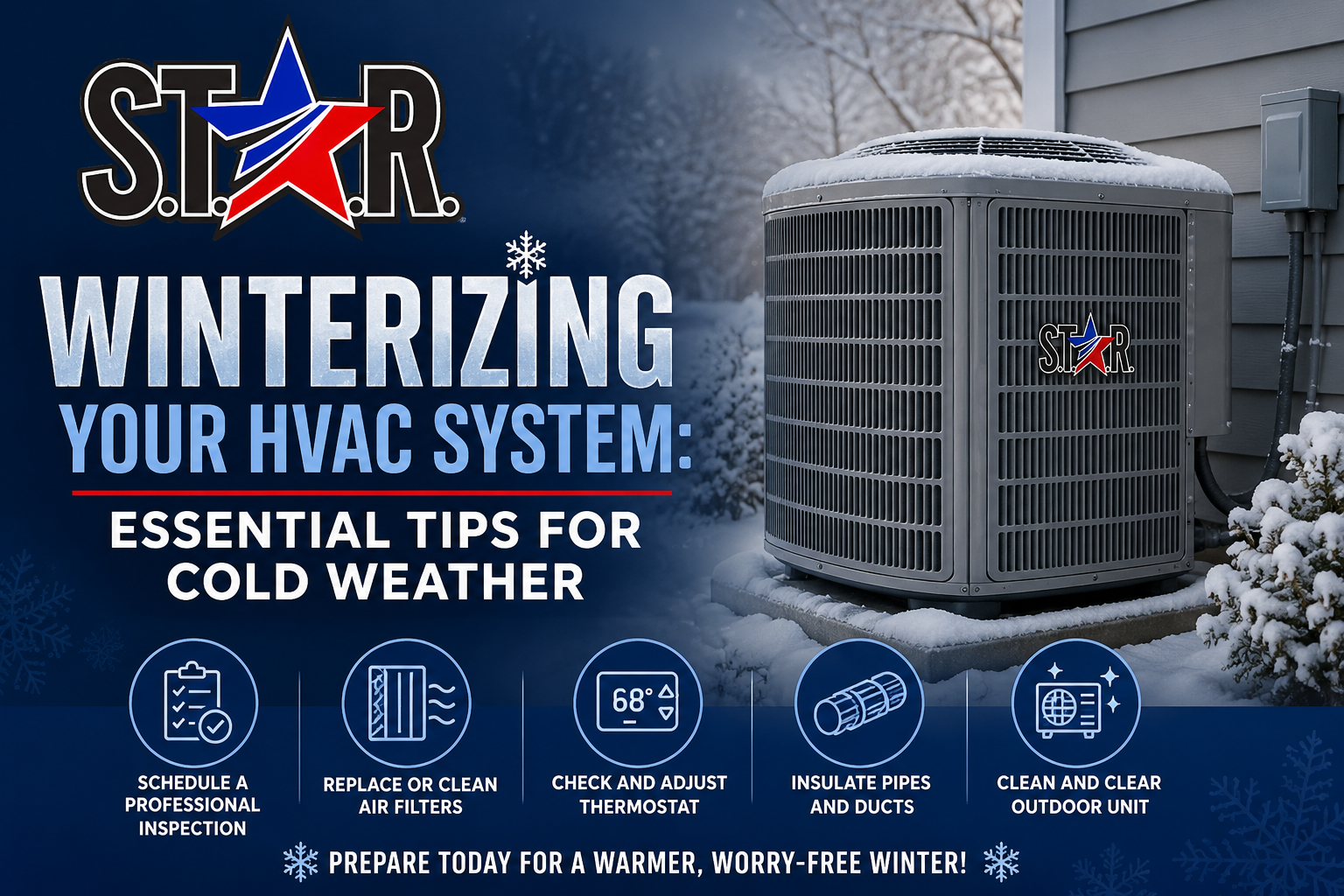
As winter approaches, preparing your HVAC system becomes essential to keep your home warm and comfortable. Cold temperatures can put extra strain on your heating system, leading to higher energy bills and unexpected breakdowns. Proper winter HVAC maintenance not only improves efficiency but also extends the lifespan of your system.
In this guide, we will walk you through simple and effective HVAC winterization tips that anyone can follow. These steps will help you stay warm while saving money and avoiding costly repairs.
Why HVAC Winterization Is Important
Before diving into the steps, it’s important to understand why winterizing your HVAC system matters. During colder months, your heating system works harder than usual. Without proper care, this can lead to:
- Reduced efficiency
- Higher energy costs
- Frequent repairs
- Shorter system lifespan
By following proper cold weather HVAC tips, you can prevent these issues and ensure your system runs smoothly throughout winter.
Inspect and Replace Air Filters
Why Filters Matter
Air filters play a key role in maintaining good airflow and indoor air quality. Dirty filters force your system to work harder, increasing energy use and reducing efficiency.
What You Should Do
Check your air filters before winter starts. If they are dirty or clogged, replace them. During winter, it’s best to check filters every 1–2 months.
Clean filters will:
- Improve airflow
- Lower energy bills
- Reduce strain on your system
Check Your Thermostat Settings
Upgrade to a Programmable Thermostat
A programmable or smart thermostat can help you control indoor temperatures more efficiently. You can set lower temperatures when you are asleep or away from home.
Recommended Settings
For winter:
- Keep your home around 20–22°C when you are home
- Lower it by a few degrees at night or when away
This simple step can save energy without sacrificing comfort.
Inspect and Clean Air Ducts
Importance of Clean Ducts
Dust and debris in your ductwork can block airflow and reduce heating efficiency. It can also affect indoor air quality.
What to Look For
- Visible dust buildup
- Uneven heating in rooms
- Strange odors
If needed, consider professional duct cleaning as part of your winter HVAC maintenance routine.
Seal Air Leaks in Your Home
Prevent Heat Loss
Even the best HVAC system cannot perform well if warm air is escaping. Check for air leaks around:
- Windows
- Doors
- Attics
- Basements
Simple Fixes
- Use weather stripping
- Apply caulking
- Install door sweeps
Sealing leaks helps your system maintain indoor temperature more easily.
Inspect Your Furnace or Heating Unit
Basic Inspection Checklist
Before winter starts, inspect your furnace for:
- Strange noises
- Unusual smells
- Signs of wear or rust
If you notice any issues, it’s best to get professional help. A trusted service like S.T.A.R. Appliance repair can ensure your system is safe and ready for winter.
Test Run Your System
Turn on your heating system before the cold weather begins. Let it run for a while to make sure everything is working properly.
Clean Around Outdoor Units
Why It Matters
If your HVAC system includes an outdoor unit, it’s important to keep it clean and clear of debris.
Maintenance Tips
- Remove leaves, dirt, and snow
- Keep at least 2 feet of space around the unit
- Cover the unit if recommended by the manufacturer
This helps maintain proper airflow and prevents damage during winter.
Check Insulation Levels
Improve Efficiency
Good insulation helps keep warm air inside your home. Without proper insulation, your HVAC system will have to work harder.
Key Areas to Insulate
- Attic
- Walls
- Floors
Upgrading insulation is one of the most effective cold weather HVAC tips for energy savings.
Inspect Carbon Monoxide Detectors
Safety First
Heating systems, especially gas furnaces, can produce carbon monoxide. This gas is dangerous and cannot be seen or smelled.
What You Should Do
- Test all detectors
- Replace batteries if needed
- Install detectors if you don’t have them
This step is critical for keeping your family safe during winter.
Schedule Professional Maintenance
Why Professional Help Is Important
While DIY steps are helpful, professional maintenance ensures your HVAC system is fully prepared for winter.
A technician will:
- Inspect all components
- Clean internal parts
- Check for safety issues
- Improve system efficiency
Scheduling a service with S.T.A.R. Appliance repair once a year can prevent major problems and give you peace of mind.
Keep Vents and Registers Clear
Ensure Proper Airflow
Blocked vents can disrupt airflow and make your system less efficient.
What to Check
- Move furniture away from vents
- Remove dust and debris
- Ensure vents are open
Proper airflow helps maintain consistent temperatures throughout your home.
Reverse Ceiling Fans
Simple Trick for Warmth
Many people don’t know that ceiling fans can help during winter. By reversing the fan direction, warm air is pushed down into the room.
How to Do It
Set your fan to rotate clockwise at a low speed. This helps distribute heat evenly and reduces the load on your HVAC system.
Monitor Energy Usage
Track Your Bills
Keep an eye on your energy bills during winter. A sudden increase may indicate a problem with your HVAC system.
Take Action Early
If you notice unusual changes, inspect your system or call a professional. Early action can prevent costly repairs.
Final Thoughts
Winterizing your HVAC system is not complicated, but it requires attention and regular maintenance. By following these simple winter HVAC maintenance tips, you can:
- Improve system efficiency
- Lower energy costs
- Avoid unexpected breakdowns
- Stay warm and comfortable all winter
Taking the time to prepare your HVAC system now will save you stress and money later. Whether you handle basic tasks yourself or rely on professionals, proper HVAC winterization is the key to a worry-free winter season.